Cistern Capacity Calculator: The Professional Guide to Water Storage Estimation
In the fields of civil engineering, site development, and sustainable infrastructure, accurate volumetric planning is the fundamental foundation of project profitability[cite: 1]. Whether you are a property manager overseeing a "dream place" or a contractor installing a municipal cistern for irrigation, knowing the precise capacity of storage containers before beginning work helps reduce financial risk and eliminate logistical uncertainty[cite: 1].
A cistern capacity calculator is more than a simple arithmetic tool; it is a technical methodology that bridges the gap between architectural blueprints and physical liquid storage requirements[cite: 1]. Precision in these pre-construction calculations is the primary defense against "price uncertainty," expensive mid-job material shortages, and significant logistical waste[cite: 1].
What Is a Cistern?
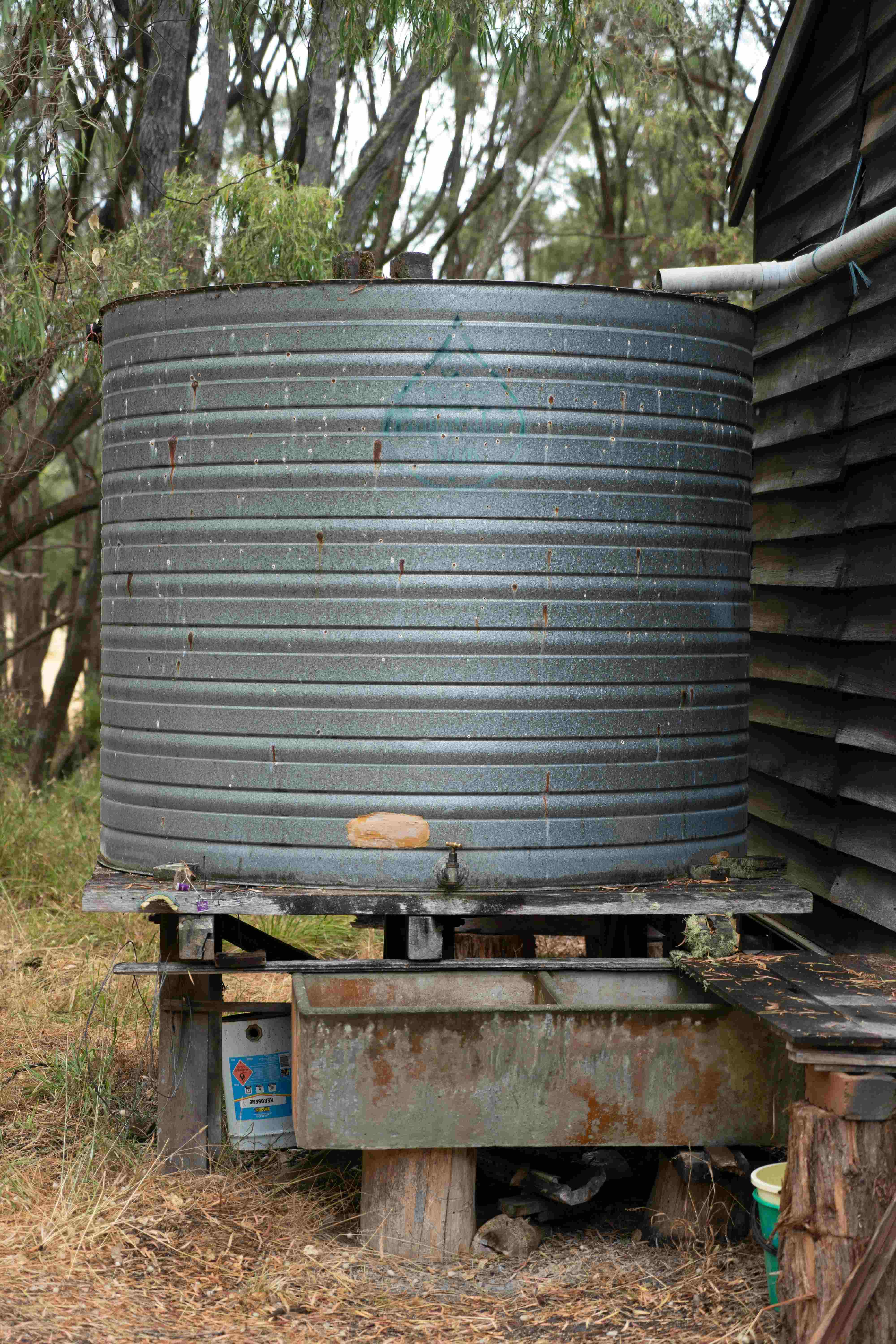
A cistern is a waterproof receptacle for holding liquids, most commonly water, for future use[cite: 1]. Unlike a standard pond or reservoir, a cistern is usually a "built-up" or manufactured container, often located underground to save space and keep water cool[cite: 1]. In modern construction, cisterns are essential for rainwater harvesting, septic systems, and providing a stable water supply for agricultural and industrial applications[cite: 1].
Common Types of Cisterns
Professional estimators categorize cisterns based on their geometric profile, as the shape dictates the specific mathematical formula required for accuracy[cite: 1].
- Rectangular or Square Cisterns: Often constructed on-site using reinforced concrete, these are standard for underground storage or basement installations[cite: 1].
- Cylindrical Cisterns: The industry standard for pre-fabricated vats and water towers[cite: 1]. These can be oriented vertically or horizontally[cite: 1].
- Oval and Stadium Cisterns: Specialized shapes designed to maximize volume within narrow or elongated footprints[cite: 1].
- Capsule and Elliptical Cisterns: Rounded vessels typically used for high-pressure storage or specialized industrial needs[cite: 1].
Understanding Cistern Dimensions and Measurements
The accuracy of any estimate is only as reliable as the initial site measurements[cite: 1].
The Rule of Inside Dimensions
It is a vital technical distinction to use the inside dimensions of the cistern for all capacity calculations[cite: 1]. Measuring the exterior dimensions fails to account for the thickness of the tank walls—which can be substantial in masonry or reinforced concrete structures—resulting in "massive estimation errors" regarding actual storage capacity[cite: 1].
Measuring Tools and Site Prep
- Linear Accuracy: Professionals utilize tape measures for residential tanks or measuring wheels for large municipal infrastructure[cite: 1].
- Base Stability: For new installations, performance depends on a foundation of crushed stone or gravel that is "nicely packed" to at least 95% density before the cistern is placed to prevent future settlement[cite: 1].
- Cleanliness: Before taking internal measurements, ensure the floor is clear of "large and small debris" such as rocks or twigs that could skew depth readings[cite: 1].
How to Calculate Cistern Capacity
Estimators follow a standardized engineering chain: Physical Measurement → Cross-Sectional Area → Total Volume → Liquid Capacity Conversion[cite: 1].
Rectangular Cistern Capacity Formula
For square or rectangular cisterns, the volume is determined by multiplying the three primary linear dimensions[cite: 1].
Formula:
Volume = Length × Width × Height[cite: 1]
Cylindrical Cistern Capacity Formula
Calculating the volume of a round cistern requires identifying the radius (one-half of the total diameter) and the vertical height or length[cite: 1].
Formula:
Volume = π × r² × h
(Where π ≈ 3.14159, r is the radius, and h is the height)[cite: 1].
Oval Cistern Capacity Calculation
Horizontal oval cisterns are treated as two halves of a cylinder separated by a rectangular section[cite: 1]. The cross-sectional area follows "stadium" geometry, defined as A = πr² + 2ra, where a is the length of the straight rectangular portion[cite: 1].
Calculating Partially Filled Cisterns
Contractors frequently need to determine the volume of water currently in a cistern based on a depth dip measurement[cite: 1].
- Vertical Cisterns: Substitute the total height for the filled depth (f) in the standard formulas[cite: 1].
- Horizontal Cylinders: These require circular segment geometry[cite: 1]. The area of the segment is A = (1/2)r²(θ - sinθ)[cite: 1]. If the cistern is more than half full, it is often more efficient to calculate the volume of the empty space at the top and subtract it from the total gross capacity[cite: 1].
Converting Cistern Capacity Between Units
Construction materials and liquid volumes are often specified in different unit systems[cite: 1]. Maintaining consistency is mandatory to avoid bidding risks[cite: 1].
| To Convert From |
To |
Operation |
| Cubic Feet (ft³) |
US Gallons |
Multiply by 7.48[cite: 1] |
| Cubic Meters (m³) |
Liters (L) |
Multiply by 1,000[cite: 1] |
| Cubic Meters (m³) |
Cubic Feet (ft³) |
Multiply by 35.3147[cite: 1] |
| Square Feet |
Square Meters |
Divide by 10.7639[cite: 1] |
| US Gallons |
Liters (L) |
Multiply by 3.785[cite: 1] |
Gross Capacity vs. Usable Water Capacity
It is essential to distinguish between the geometric gross capacity and the usable water capacity[cite: 1].
- Gross Capacity: The total 3D space if the cistern were filled to the absolute brim[cite: 1].
- Usable Capacity: The actual amount of liquid that can be stored and retrieved[cite: 1].
- The 10% Rule: In practice, cisterns are rarely filled to 100% due to air gaps for overflow protection, placement of internal sensors, and "fittings"[cite: 1]. Professional practice is to allow a 5% to 10% safety buffer for these variables[cite: 1].
Worked Example: Calculating Rectangular Cistern Capacity
Scenario (Example Assumptions): A contractor is measuring an existing underground concrete cistern for a residential garden[cite: 1].
- Inside Length: 10 feet[cite: 1]
- Inside Width: 8 feet[cite: 1]
- Inside Height: 6 feet[cite: 1]
- Measured Water Depth: 4 feet[cite: 1]
- Step 1: Calculate Total (Gross) Volume
10 ft × 8 ft × 6 ft = 480 cubic feet[cite: 1].
- Step 2: Calculate Current Water Volume
10 ft × 8 ft × 4 ft (depth) = 320 cubic feet[cite: 1].
- Step 3: Convert Current Volume to US Gallons
320 ft³ × 7.48 gal/ft³ = 2,393.6 US Gallons[cite: 1].
- Step 4: Determine Maximum Usable Capacity
Assuming a 10% safety buffer for the air gap: 480 ft³ × 0.90 × 7.48 = 3,231.36 Gallons[cite: 1].
Estimating Rainwater Storage Capacity
When designing a harvesting system, the cistern size should correlate with the catchment area (typically a roof)[cite: 1].
- Area Calculation: Multiply the length by the width of the roof to find the square footage[cite: 1].
- Yield Estimate: A general rule of thumb is that 1 inch of rainfall on a 1,000 sq. ft. roof yields approximately 600 gallons of water[cite: 1].
Common Cistern Capacity Calculation Mistakes
- Using Outside Dimensions: Calculating based on the exterior shell results in a capacity estimate that is often 10–20% too high[cite: 1].
- Mixing Unit Systems: Entering a diameter in inches and a height in feet without converting both to a common unit results in an estimate 12 times too high[cite: 1].
- Neglecting Internal Voids: Forgetting that internal support columns or pumps occupy space and reduce the total available water volume[cite: 1].
- Leveling Errors: If the cistern is not perfectly level, a standard depth-dip measurement will provide an inaccurate representation of the fluid volume[cite: 1].
Practical Tips for Accurate Estimates
- Consult Specialists: For high-performance systems or specialized "SuperLow-Carbon" concrete structures, verify specific material properties with the supplier[cite: 1].
- Use Digital Tools: Utilizing a digital Cistern or Tank Volume Calculator reduces the "manifold chances of making an error" by automating unit conversions and geometric means[cite: 1].
- Itemize Extras: When bidding on a cistern project, provide an itemized format for labor, materials, and specialized features like filtration to build customer trust[cite: 1].
Key Takeaways
- Measure twice, calculate once: Always use the inside dimensions of the cistern[cite: 1].
- Area × Height = Volume: This is the baseline for all 3D math[cite: 1].
- Unit consistency is mandatory: Convert all dimensions to feet or meters before multiplying[cite: 1].
- Safety buffers protect margins: Always assume a 5–10% reduction for usable volume due to air gaps and fittings[cite: 1].
ASCII Illustration: Cistern Measurement Concepts
      [ INSIDE WIDTH ]
   +-----------------------+
   |  [ AIR GAP / 10% ]    |  <-- Gross Capacity includes this
   |~~~~~~~~~~~~~~~~~~~~~~~|  <-- Water Surface (Filled Depth)
   |                       |
   |   [ WATER VOLUME ]    |  <-- Usable Capacity
   |                       |
   +-----------------------+  <-- [ INSIDE BASE ]
       [ INSIDE LENGTH ]
Reference Appendix
A. Established Formulas
- Rectangular Volume: Length × Width × Height[cite: 1]
- Cylindrical Volume: π × r² × h[cite: 1]
- Board Feet (Lumber): (Thicknessin × Widthin × Lengthft) ÷ 12[cite: 1]
- Steel Rebar Weight (kg/m): D² ÷ 162[cite: 1]
B. Values from Authoritative References
- Cistern Conversion: 1 cubic foot = 7.48 US Gallons[cite: 1].
- Water Volume: 1 cubic meter = 1,000 Liters[cite: 1].
- Concrete Wet-to-Dry Expansion: 52.4% higher dry volume[cite: 1].
- NYC Labor/Cleaning Rate: Approximately $70 per hour for professional site finishers[cite: 1].
C. Example Assumptions
- Safety/Waste Buffer: 5–10% for construction waste and usable volume limits[cite: 1].
- Standard HMA Density: 145 lb/ft³ (Reference benchmark for heavy foundations)[cite: 1].
- Cistern Lifespan: Up to 20 years with proper installation and base preparation[cite: 1].
D. Project-Specific Values
- Bulk Material Pricing: Aggregate and asphalt prices typically range from $80 to $200 per tonne based on oil and hauler rates[cite: 1].
- Catchment Yield: Varies by ZIP code and regional rainfall patterns[cite: 1].
- Mix Grade: M15 (1:2:4) to M25 (1:1:2) ratios, as specified by a structural engineer[cite: 1].
Professional Disclaimer: Cistern capacity calculator results and this guide are intended for general planning and estimation purposes only[cite: 1]. Actual project requirements, material densities, and storage capacities may vary significantly based on unique site conditions, local building codes, structural wall thickness, and real-time installation accuracy[cite: 1]. Always consult with a qualified civil engineer or professional estimator before beginning construction or placing final material orders[cite: 1].
Cistern Capacity Calculator:
This cistern capacity calculator helps you figure the storage volume of cylindrical, rectangular, round, and elliptical cisterns for rainwater harvesting and water storage. Enter your dimensions — get results in gallons, liters, and cubic feet.
💧 Quick Formula:
Cylindrical: V = π × r² × h
Rectangular: V = L × W × H
Round (Horizontal): V = π × r² × L
Elliptical: V = π × a × b × h
Example: 6' dia × 8' cylindrical cistern
Volume = π × 3² × 8 = 226.19 ft³
Gallons = 226.19 × 7.48 = 1,692 gal
Understanding Cistern Capacity
Cistern capacity depends on the shape and dimensions:
- Cylindrical (Vertical): Most common for rainwater storage
- Rectangular: Custom-built cisterns and tanks
- Round (Horizontal): Tanks lying on their side
- Elliptical: Space-saving designs
Rainwater Collection Guide
- 1 inch of rain on 1,000 sq ft of roof = ~600 gallons
- Typical cistern size: 1,000-5,000 gallons for residential
- Commercial systems: 10,000-50,000+ gallons
- First flush diversion: Divert first 10-20 gallons per 1,000 sq ft
Real-World Cistern Examples
- 6' dia × 8' cylindrical: 1,692 gallons
- 8' × 4' × 4' rectangular: 958 gallons
- 4' dia × 10' horizontal round: 940 gallons
- Elliptical 6' × 4' × 6': 1,031 gallons
📋 Real Project: Rainwater Cistern
Project: Residential rainwater harvesting, Austin, TX | Cistern: 8' diameter × 10' height cylindrical
📐 Calculations:
Radius: 4'
Volume: π × 4² × 10 = 502.65 ft³
Gallons: 502.65 × 7.48 = 3,760 gallons
Roof area: 2,500 sq ft
Rain needed to fill: 3,760 ÷ (2,500 × 0.6) = 2.5 inches
80% fill: 3,008 gallons → 11,385 liters
5 Common Cistern Calculation Mistakes
- Using diameter instead of radius: Cylinder volume uses radius — divide diameter by 2.
- Forgetting unit conversions: 1 ft³ = 7.48 gallons — don't forget the conversion factor.
- Not accounting for fill level: Always calculate usable volume at the actual fill level.
- Mixing units: Keep all measurements in the same unit system.
- Ignoring overflow capacity: Leave room for overflow and first-flush diversion.
🔧 Cistern Troubleshooting
Common cistern capacity estimation problems and solutions.
❌ "My cistern seems too small for my roof"
→ Calculate your roof area and rainfall. A 2,000 sq ft roof with 1" rain yields ~1,200 gallons. Size accordingly.
❌ "The fill volume doesn't match my measurements"
→ Ensure the fill level percentage is correct. For irregular cisterns, the fill level calculation may be non-linear.
❌ "I need metric measurements"
→ Switch to Metric mode in the calculator. All results will be shown in meters, centimeters, liters, and cubic meters.
Frequently Asked Questions
How do I calculate cistern capacity?➕
Volume = shape-specific formula (cylinder: π × r² × h). Multiply by 7.48 to convert cubic feet to gallons. The calculator handles all the math for you.
How many gallons are in a cubic foot?➕
1 cubic foot = 7.48052 US gallons. 1 cubic meter = 264.172 gallons.
How big should my rainwater cistern be?➕
Size based on roof area, rainfall, and intended use. A good rule: 1,000 sq ft roof × 1" rain = 600 gallons. Plan for 2-4 weeks of storage.
What is first-flush diversion?➕
First-flush diverts the initial runoff (containing debris and contaminants) away from the cistern. Typically 10-20 gallons per 1,000 sq ft of roof.
Can I use cistern water for drinking?➕
With proper filtration and treatment, yes. Most cistern water is used for irrigation, toilet flushing, and other non-potable uses. Check local regulations.